
Is Your Electrical Service Panel Ready for the Future?
by
RYAN PRUITT
Smartphones, smart thermostats and streaming TVs tend to steal the spotlight when people think about home technology. But another piece of equipment—often overlooked—plays a critical role in keeping everything running safely and reliably: the electrical service panel.
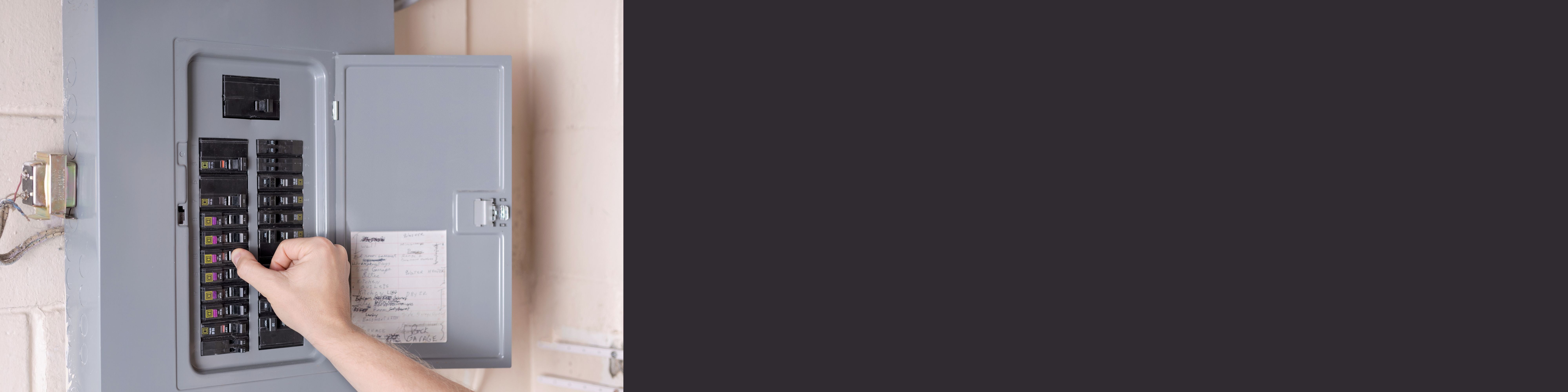
Most homes today still rely on traditional electrical panels designed decades ago, when energy use looked very different. Homes had fewer electronic devices, no electric vehicles and limited backup power options. Back then, breaker boxes had a much simpler job. As technology advances and electricity plays a bigger role in everyday life, a new option is emerging in some homes: the smart electrical service panel.
Smart panels are not for everyone, and they are not necessary for every home. Still, they represent a shift in how electricity can be understood and managed inside the home. A smart electrical panel performs the same basic function as a traditional panel. It safely distributes electricity throughout a home and protects circuits from overloads. What sets it apart is visibility. The difference is that smart panels include digital monitoring and communication features.
Depending on the model, a smart panel may:
- Monitor electricity use in real time
- Show how much power each circuit or appliance is using
- Send alerts for abnormal electrical activity
- Allow certain circuits to be turned on or off remotely
- Automatically manage loads during high-usage periods
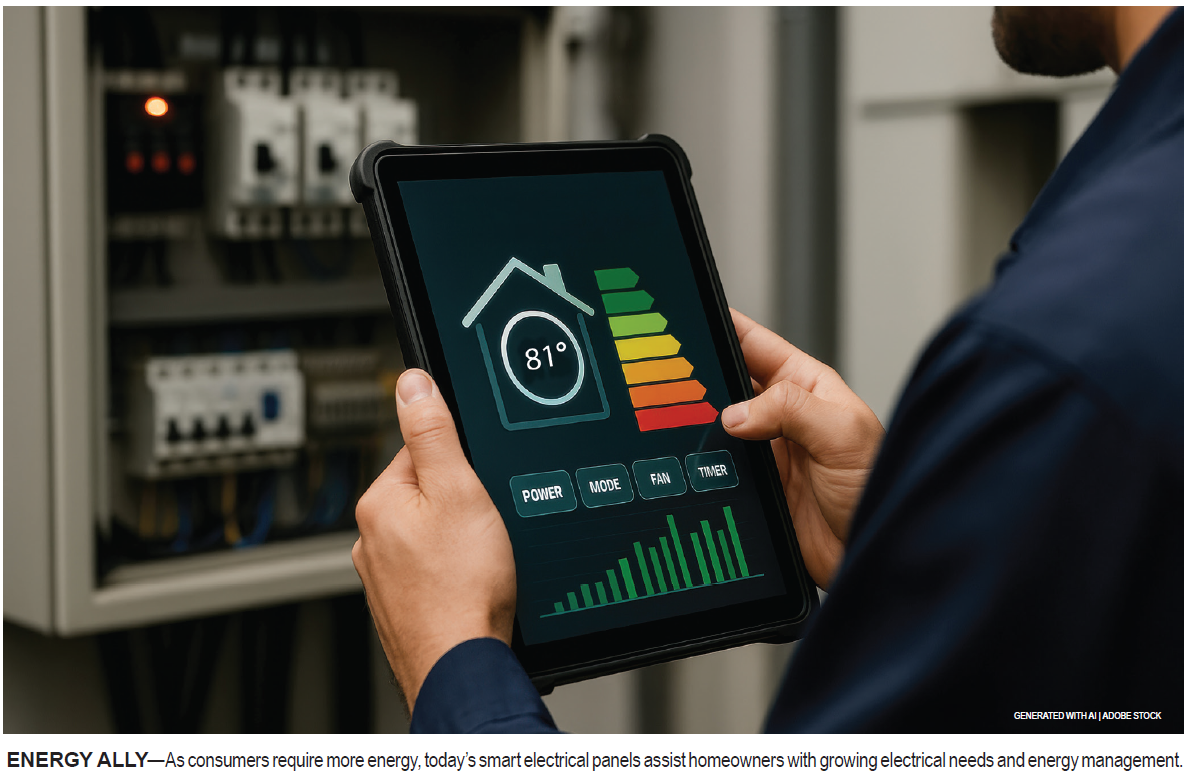
Homes are asking more from electricity than they ever have. Electric vehicles, heat pumps, induction stoves and home electronics all add up. At the same time, many members are interested in better understanding energy use, improving safety and preparing for what comes next. Smart panels are one of the tools beginning to appear in that space.
One of the biggest benefits is insight. In the last 10 years, United has performed more than 8,000 free energy audits. At the heart of nearly every audit is the same question: “How did this much electricity get used?”
Instead of seeing only a total monthly number on an electric bill, homeowners with smart panels can see how and when electricity is being used. That kind of visibility used to be impossible. Patterns emerge. High-use appliances stand out. Unusual activity becomes easier to spot.
Traditional panels protect against overloads and short circuits, but smart panels can add another layer of awareness. Some models can detect abnormal current levels, overheating or other unusual conditions and send alerts before problems become serious.
In certain situations, smart panels may automatically shut off a circuit to reduce the risk of damage or fire. While no system replaces proper wiring and professional installation, early warning can make a meaningful difference.
Electric vehicles and other high-energy devices place new demands on a home’s electrical system. Smart panels can help manage those demands by monitoring when large loads are running and preventing too many high-use devices from operating at the same time. That coordination can reduce nuisance trips and help keep systems running smoothly.
For homes with generators or battery systems, smart panels can prioritize which circuits receive power during an outage. Instead of manually flipping breakers, the panel can automatically supply power to essential loads such as refrigerators, medical equipment or heating systems. It’s a level of automation that didn’t exist in residential panels just a few years ago.
While smart panels offer potential benefits, they also come with important considerations.
Smart electrical panels are significantly more expensive than traditional panels. A standard electrical service panel replacement typically costs $2,500-$3,500, depending on the home. A smart panel, including equipment and installation, can cost several thousand dollars more. Prices vary by manufacturer, home layout and labor costs. For many households, the added features may simply not pencil out.
Many homes operate safely and efficiently with a traditional electrical panel. If a home has adequate electrical capacity, uses few large electric loads and has no plans for electric vehicles, solar or backup power, a smart panel may offer limited practical benefit.
Smart panels are relatively new compared to traditional electrical equipment, which can last for decades. As with any emerging technology, features and standards may change. Manufacturers may update or discontinue products, and long-term support and compatibility are still developing. For some homeowners, waiting makes sense.
Smart panels also rely on software and internet connectivity to provide monitoring and alerts. For members who prefer simple, offline systems, that reliance may be a drawback.
Installation is not a do-it-yourself project. Smart panels require licensed electricians and careful coordination with local codes and utility requirements. Improper installation can create safety risks or operational issues.
Smart electrical panels are not a one-size-fits-all solution. For some members—especially those with growing electrical needs or a strong interest in energy management—smart panels may offer meaningful benefits. For others, a traditional panel may continue to meet household needs safely and reliably.
It is also important to remember that energy efficiency and cost savings often come from simple steps, such as sealing air leaks, using efficient appliances and managing heating and cooling wisely.
Technology can help, but it doesn’t replace good habits.
As homes become more electric and connected, the role of the electrical panel will continue to evolve. Smart panels represent one possible path toward greater flexibility, safety and awareness at the household level.
As an electric cooperative, United’s role is to help members understand new technologies—not to promote unnecessary upgrades. Smart electrical panels are one of several innovations worth watching as the energy landscape changes.
Whether or not a smart panel is in the plans, the technology offers an interesting glimpse into the future of home energy management. Staying informed about a home’s electrical needs is essential.
As electricity powers more of daily life, the humble breaker box is no longer just a background player. It’s becoming part of the conversation about what comes next.